

Learning effectively is one of the most important skills students can develop during their academic journey. Many students spend long hours studying but still struggle to understand or remember what they learn. This often happens because they rely on traditional study methods instead of using effective learning strategies. The right strategies can help students study smarter, improve their focus, and achieve better results in school or college. learning strategies for students
Learning strategies are techniques that help students understand information more clearly and remember it for a longer time. These strategies include methods such as active learning, time management, note-taking, and self-testing. When students use these approaches, they can improve their learning experience and make studying more productive.
In today’s fast-paced educational environment, students face many challenges, including heavy workloads, distractions, and exam pressure. Effective learning strategies can help overcome these challenges by making study sessions more organized and efficient. Instead of memorizing information without understanding it, students can focus on building strong knowledge and critical thinking skills. learning strategies for students
This guide will explore different learning strategies that students can use to improve their study habits, boost their academic performance, and develop skills that will benefit them throughout their lives.
What Are Learning Strategies?
Learning strategies are techniques and approaches that help students understand, process, and remember information more effectively. These strategies guide students on how to study, organize their learning, and apply knowledge in different academic situations. Instead of relying only on memorization, learning strategies encourage students to actively engage with the material and develop deeper understanding.
Learning strategies make studying more structured and purposeful. When students use the right methods, they can improve their concentration, retain information longer, and complete their academic tasks more efficiently. These strategies also help students manage their time better and reduce the stress that often comes with exams and assignments.
How Learning Strategies Work
Learning strategies work by helping students interact with information in meaningful ways. For example, instead of simply reading a chapter from a textbook, students might summarize key points, ask questions about the topic, or explain the concept in their own words. These activities strengthen understanding and help the brain remember information more effectively.
Students who use learning strategies regularly often find that they can study more efficiently and understand difficult topics more easily. Over time, these strategies help build strong study habits and improve overall academic performance.
Examples of Learning Strategies
There are many different learning strategies that students can use depending on their needs and learning preferences. Some common examples include taking organized notes, creating mind maps, practicing with quizzes, discussing topics with classmates, and reviewing lessons regularly. These methods help students stay engaged with their studies and make learning more active and enjoyable.
Learning Strategies vs Traditional Studying
Traditional studying often focuses on reading and memorizing information repeatedly. While this method can sometimes help with short-term memory, it may not always lead to deep understanding. Learning strategies, on the other hand, encourage students to think critically, analyze information, and connect new knowledge with what they already know. This approach helps students remember information for a longer time and apply it in real-life situations.
Developing Effective Learning Habits
When students practice learning strategies consistently, they gradually develop better study habits. These habits can improve focus, increase motivation, and make academic challenges easier to manage. Over time, effective learning strategies help students become more confident learners who can handle different subjects and complex topics successfully.
you may also like to read these posts;
Mind Development Exercises: 10 Daily Habits to Boost Brain Power
Daily Mind Development Habits: Simple Steps to Boost Your Brain Every Day
Mind Development for Success: Boost Focus & Achieve Goals
Personal Mind Development Tips to Boost Focus & Clarity
Mind Development for Focus: Boost Attention Fast
Why Learning Strategies Are Important for Students
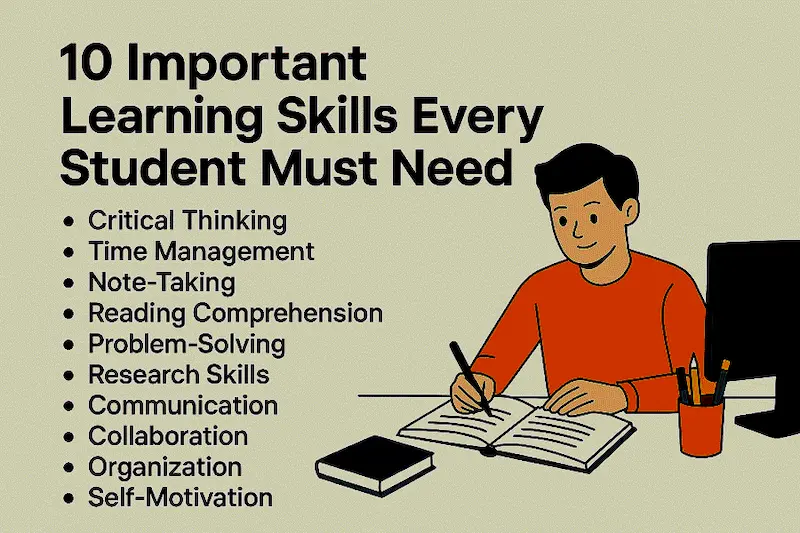
Learning strategies play a crucial role in helping students succeed in their academic journey. Many students struggle with studying because they do not use effective methods to understand and remember information. Learning strategies provide practical techniques that make studying more organized, efficient, and productive. When students apply these strategies, they can improve their learning experience and achieve better academic results.
Improve Understanding of Difficult Topics
Learning strategies help students break down complex subjects into smaller and more manageable parts. Instead of feeling overwhelmed by difficult topics, students can use techniques like summarizing, note-taking, and visual aids to understand concepts more clearly.
Increase Memory and Retention
One of the biggest benefits of learning strategies is improved memory retention. Techniques such as spaced repetition, self-testing, and reviewing notes regularly help students remember information for a longer time. This is especially helpful during exams when students need to recall what they have studied.
Enhance Focus and Concentration
Effective learning strategies help students stay focused during study sessions. By using methods such as creating study schedules, setting clear goals, and studying in distraction-free environments, students can concentrate better and make the most of their study time.
Improve Time Management
Many students struggle with managing their time effectively. Learning strategies help students organize their study schedules, prioritize important tasks, and avoid last-minute cramming. Good time management allows students to balance their academic work with other activities.
Reduce Exam Stress and Anxiety
Students often experience stress before exams because they feel unprepared. When students use effective learning strategies, they feel more confident in their knowledge and abilities. Regular review and practice help reduce anxiety and improve performance during tests. learning strategies for students
Encourage Independent Learning
Learning strategies teach students how to learn on their own. Instead of relying completely on teachers or tutors, students develop the skills needed to research, analyze information, and solve problems independently. This independence is valuable not only in school but also in future careers. learning strategies for students
Build Long-Term Academic Success
When students consistently use effective learning strategies, they develop strong study habits that support long-term academic growth. These habits help students perform better in school, college, and even in professional environments where continuous learning is important. learning strategies for students
Overall, learning strategies are essential because they help students study more effectively, understand information better, and achieve their academic goals with greater confidence.
Types of Learning Strategies Students Can Use
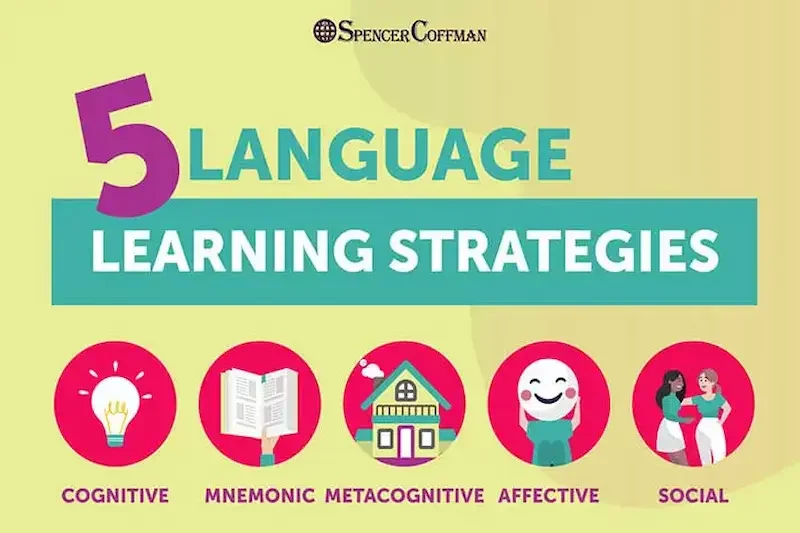
Students can improve their study habits by using different types of learning strategies. These strategies help make learning more effective, engaging, and easier to understand. Every student learns differently, so trying different strategies can help students discover which methods work best for them. learning strategies for students
Active Learning
Active learning involves participating directly in the learning process rather than passively reading or listening. Students can ask questions, discuss topics, solve problems, or explain concepts in their own words. This approach helps students understand information more deeply and remember it longer. learning strategies for students
Visual Learning
Visual learning uses images and visual tools to understand information. Students can use diagrams, charts, graphs, and mind maps to organize and remember complex ideas. Visual aids make it easier to see relationships between different concepts and improve memory. learning strategies for students
Spaced Learning
Spaced learning is a strategy where students study information over several short sessions instead of one long study period. This method allows the brain to proces s and retain information more effectively. Reviewing material regularly over time helps students remember it for longer periods. learning strategies for students
Collaborative Learning
Collaborative learning involves studying with classmates or in study groups. Students can share ideas, explain concepts to each other, and solve problems together. This type of learning encourages teamwork and helps students gain different perspectives on the same topic. learning strategies for students
Self-Testing
Self-testing is a powerful learning strategy that helps students check their understanding of a subject. Students can use quizzes, flashcards, or past exam questions to test their knowledge. This practice helps identify weak areas and improves memory through repeated recall. learning strategies for students
Note-Taking Strategies
Effective note-taking helps students capture important information during lectures or while reading. Writing down key ideas, summaries, and examples helps students review lessons easily later. Organized notes also make studying more efficient before exams. learning strategies for students
Digital Learning Tools
Many students use digital tools and educational apps to support their learning. Online videos, learning platforms, and educational apps can make studying more interactive and engaging. These tools provide additional resources that help students understand topics more clearly.
Using a combination of these learning strategies can help students develop better study habits, improve their understanding of subjects, and achieve greater academic success. learning strategies for students
Reading and Summarizing
Reading and summarizing is another useful learning strategy for students. After reading a chapter or lesson, students can write a short summary in their own words. This helps them understand the main ideas and remember important information. Summarizing also improves comprehension and makes it easier to review lessons later. learning strategies for students
Mind Mapping
Mind mapping is a visual learning strategy that helps students organize information clearly. In this method, students write the main topic in the center and connect related ideas with branches. Mind maps help students see how different concepts are related and make complex topics easier to understand. learning strategies for students
Practice-Based Learning
Practice-based learning focuses on applying knowledge through exercises and activities. Students can solve problems, complete worksheets, or practice real-life examples related to their subjects. This strategy strengthens understanding and helps students develop practical skills. learning strategies for students
Teaching Others
Teaching others is a powerful way to improve learning. When students explain a concept to a friend or classmate, they must fully understand the topic themselves. This process helps reinforce knowledge and highlights any gaps in understanding. learning strategies for students
Goal-Oriented Learning
Goal-oriented learning involves setting clear and achievable study goals. For example, a student may aim to complete a chapter, learn new vocabulary, or solve a set number of practice questions in a study session. Setting goals keeps students motivated and helps them track their progress. learning strategies for students
Reflective Learning
Reflective learning encourages students to think about what they have learned and how well they understood it. After studying, students can ask themselves questions such as what they learned, what was difficult, and what they need to review again. Reflection helps improve learning strategies over time. learning strategies for students
Break-Based Learning
Taking short breaks during study sessions can improve focus and productivity. Studying continuously for long periods can cause fatigue and reduce concentration. Short breaks allow the brain to rest and recharge, making it easier for students to stay focused and learn more effectively. learning strategies for students
What are learning strategies for students?
Learning strategies are techniques that help students understand, remember, and apply information more effectively. These strategies include methods like note-taking, self-testing, time management, and active learning to improve study habits.
Why are learning strategies important for students?
Learning strategies help students study more efficiently and understand subjects better. They also improve memory, increase focus, reduce exam stress, and help students achieve better academic results.
What are the most effective learning strategies?
Some of the most effective learning strategies include active learning, spaced repetition, self-testing, note-taking, and collaborative learning. These methods help students engage with the material and remember information for a longer time.
Conclusion.
Effective learning strategies are essential for students who want to succeed academically and retain knowledge for the long term. By using techniques such as active learning, visual aids, self-testing, spaced learning, and collaborative study, students can improve their understanding, memory, and focus.
These strategies not only make studying more productive but also help reduce stress, manage time effectively, and build confidence in tackling difficult subjects. When students apply these techniques consistently, they develop strong study habits that support lifelong learning and academic growth.
Incorporating a mix of learning strategies tailored to individual needs ensures that students study smarter, achieve better results, and enjoy a more engaging and rewarding learning experience.


