


Starting a new learning journey can be exciting, but it can also feel overwhelming for beginners. Many new learners struggle with staying focused, remembering information, and understanding complex topics. Without the right approach, studying can become stressful and ineffective. This is why using effective learning strategies is so important for beginners. best learning strategies for beginners
Learning strategies are practical techniques that help students or beginners study smarter, retain information longer, and build confidence in their learning. Instead of relying on rote memorization or long, unfocused study sessions, these strategies encourage active engagement with the material, regular practice, and organized study habits.
By using the right strategies from the start, beginners can overcome common learning challenges, improve focus, and achieve better results in school, college, or personal learning projects. This guide will explore the best learning strategies for beginners, provide practical tips, and help you develop habits that make learning easier, more efficient, and even enjoyable.
What Are Learning Strategies?
Learning strategies are practical methods and techniques that help beginners understand, remember, and apply new information effectively. Unlike traditional studying, which often relies on passive reading or memorization, learning strategies focus on active engagement, organization, and consistent practice. These strategies make learning easier, faster, and more effective, especially for those just starting out.
How Learning Strategies Work
Learning strategies work by helping learners interact with material in multiple ways. For example, instead of only reading a textbook, beginners can:
- Summarize key points in their own words
- Create visual aids like charts or mind maps
- Test themselves with flashcards or practice questions
These methods help the brain process and retain information, making it easier to recall later.
Benefits of Learning Strategies for Beginners
- Better Understanding: Breaks down complex topics into simple, manageable parts
- Improved Memory: Reinforces information through practice and review
- Increased Focus: Encourages organized, distraction-free study sessions
- Reduced Stress: Feeling prepared and confident lowers anxiety
- Builds Good Habits: Sets the foundation for lifelong learning and personal growth
Examples of Common Learning Strategies
- Active Learning: Asking questions, solving problems, or teaching others
- Visual Learning: Using diagrams, charts, or mind maps
- Spaced Learning: Studying in short, repeated sessions rather than cramming
- Self-Testing: Practicing with quizzes, flashcards, or exercises
- Goal-Oriented Learning: Setting small, achievable goals for each study session
By applying these strategies consistently, beginners can learn more effectively, retain knowledge longer, and build confidence as they progress in their studies.
you may also like to read these posts;
Mind Development Exercises: 10 Daily Habits to Boost Brain Power
Daily Mind Development Habits: Simple Steps to Boost Your Brain Every Day
Mind Development for Success: Boost Focus & Achieve Goals
Personal Mind Development Tips to Boost Focus & Clarity
Mind Development for Focus: Boost Attention Fast
Why Beginners Should Use Learning Strategies
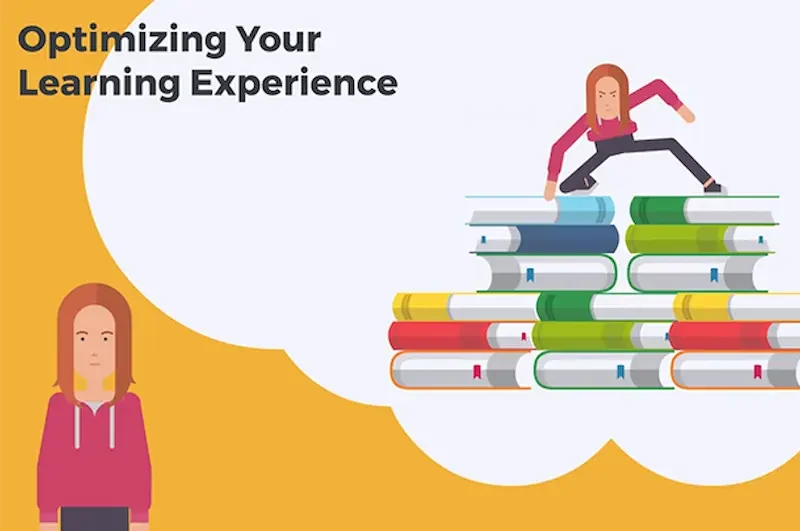
For beginners, starting a learning journey can be challenging. Without guidance or structure, it’s easy to feel overwhelmed, lose focus, or forget what you’ve studied. That’s where learning strategies come in—they provide a roadmap to help beginners learn efficiently, retain information, and build confidence.
1. Improve Understanding of New Topics
Beginners often encounter completely new subjects or concepts. Using strategies like active learning and visual aids makes it easier to break down complex information into smaller, manageable parts. For example, creating a simple diagram or explaining a concept to someone else can make it much clearer.
2. Boost Memory Retention
One of the biggest challenges for beginners is remembering what they’ve learned. Techniques like spaced learning, self-testing, and note-taking help reinforce knowledge over time. Reviewing material in small, regular intervals strengthens memory and reduces the need for last-minute cramming.
3. Build Strong Study Habits Early
Starting with effective strategies helps beginners develop productive habits from day one. Consistently applying strategies like goal-setting, organizing study sessions, and using digital tools encourages focus, discipline, and accountability.
4. Reduce Stress and Increase Motivation
Feeling unprepared can make studying stressful. Learning strategies help beginners feel more organized and confident. For example, setting small, achievable goals or testing themselves on key topics makes progress visible and motivates continued learning. best learning strategies for beginners
5. Support Lifelong Learning
Beginners who master learning strategies early on gain skills that extend beyond academics. Critical thinking, problem-solving, and independent learning become habits that can benefit personal growth, career development, and lifelong learning. best learning strategies for beginners
In short, learning strategies provide structure, clarity, and efficiency, helping beginners overcome challenges, build confidence, and achieve better results.
Top Learning Strategies for Beginners
For beginners, using the right learning strategies can make studying easier, more effective, and less stressful. Here are some of the best strategies with practical examples to help beginners get started.
1. Active Learning
Active learning means engaging directly with the material instead of just reading or listening.
- How to use it: Ask questions, solve problems, or explain what you learned to someone else
- Example: After reading a chapter, try teaching the main concepts to a friend or family member
- Benefit: Strengthens understanding and helps information stick in memory best learning strategies for beginners
2. Visual Learning
Visual learning uses diagrams, charts, and mind maps to organize and understand information.
- How to use it: Draw flowcharts, timelines, or concept maps for complex topics
- Example: Use a mind map to connect different causes and effects in a history lesson
- Benefit: Makes complex ideas easier to grasp and recall best learning strategies for beginners
3. Spaced Learning
Spaced learning involves studying in shorter sessions repeatedly over time instead of cramming all at once.
- How to use it: Study 20–30 minutes per topic each day instead of a long 3-hour session
- Example: Review vocabulary words daily instead of memorizing them all the night before a test
- Benefit: Improves long-term memory and reduces burnout best learning strategies for beginners
4. Self-Testing
Self-testing helps beginners identify weak areas and reinforce learning through recall.
- How to use it: Use flashcards, online quizzes, or practice problems
- Example: After a lesson, quiz yourself on key concepts without looking at notes
- Benefit: Boosts confidence and strengthens memory retention best learning strategies for beginners
5. Note-Taking
Effective note-taking organizes information for easier review and understanding.
- How to use it: Summarize key points, highlight important information, and use bullet points or the Cornell method
- Example: Write a short summary at the end of each chapter in your own words
- Benefit: Makes review easier and reinforces learning best learning strategies for beginners
6. Goal-Oriented Learning
Setting small, achievable goals keeps beginners motivated and focused.
- How to use it: Break study sessions into mini-goals, such as learning 5 new terms or completing a practice exercise
- Example: “Today, I will master three new math formulas”
- Benefit: Provides structure and a sense of accomplishment best learning strategies for beginners
7. Digital Tools and Apps
Technology can make learning more interactive and engaging for beginners.
- How to use it: Use educational apps, online courses, and videos to supplement learning
- Example: Apps like Quizlet for flashcards, Khan Academy for tutorials, or Duolingo for language learning
- Benefit: Makes learning fun and accessible anytime best learning strategies for beginners
By combining these strategies, beginners can create a personalized learning approach that works best for their style, improves retention, and builds confidence.
Study Habits That Help Beginners
Using learning strategies works best when paired with strong study habits. Beginners who develop consistent habits can study more effectively, stay focused, and retain information longer. best learning strategies for beginners
1. Create a Consistent Study Schedule
- Set aside specific times each day for studying best learning strategies for beginners
- Break study sessions into short, focused blocks (e.g., 25–50 minutes)
- Stick to the schedule to build routine and discipline
2. Set Clear, Achievable Goals
- Define what you want to accomplish in each study session
- Goals could include finishing a chapter, solving practice problems, or reviewing notes
- Clear goals keep beginners motivated and focused best learning strategies for beginners
3. Study in a Distraction-Free Environment
- Find a quiet, comfortable place to study
- Turn off phone notifications, social media, and other distractions
- A focused environment improves concentration and productivity
4. Take Regular Breaks
- Avoid long, continuous study sessions without breaks
- Use short breaks (5–10 minutes) to rest and recharge best learning strategies for beginners
- Techniques like the Pomodoro method (25 minutes study, 5 minutes break) help maintain focus
5. Review Material Regularly
- Revisiting lessons regularly strengthens memory
- Review notes, summaries, or flashcards frequently
- Avoid cramming all information in one session
6. Use Active Recall and Practice
- Test yourself on key concepts instead of just rereading notes
- Practice with quizzes, exercises, or by teaching someone else best learning strategies for beginners
- Active recall improves understanding and memory retention
7. Stay Organized
- Keep study materials, notes, and resources organized
- Use folders, binders, or digital tools to manage information best learning strategies for beginners
- Organization saves time and reduces stress when preparing for exams
8. Maintain a Healthy Lifestyle
- Get enough sleep to improve focus and memory
- Eat nutritious meals and stay hydrated for optimal brain function
- Regular physical activity boosts concentration and reduces stress
By combining these habits with learning strategies, beginners can study more efficiently, retain information longer, and build confidence in their learning. Consistency is key—small, regular efforts lead to big results over time. best learning strategies for beginners
Common Mistakes Beginners Should Avoid

When starting out, beginners often make mistakes that can slow their learning or reduce retention. Being aware of these pitfalls can help learners study more effectively and build better habits from the start. best learning strategies for beginners
1. Trying to Learn Too Much at Once
- Attempting to cover large amounts of material in one session leads to overload
- Instead, break study sessions into smaller, manageable chunks
2. Studying Without a Plan
- Random studying wastes time and reduces focus
- Always set clear goals and follow a structured study schedule
3. Relying Only on Reading or Memorization
- Passive reading or rote memorization is less effective than active engagement best learning strategies for beginners
- Use strategies like self-testing, summarizing, or teaching others to reinforce learning
4. Skipping Review Sessions
- Beginners often neglect reviewing past material
- Regular review is essential for long-term retention and understanding
5. Ignoring Weak Topics
- Avoiding difficult topics creates gaps in knowledge best learning strategies for beginners
- Focus on areas of weakness to strengthen overall understanding
6. Multitasking While Studying
- Checking phones, browsing social media, or doing other tasks reduces concentration
- Focus fully on one topic at a time to improve learning efficiency best learning strategies for beginners
7. Cramming Before Exams
- Last-minute studying increases stress and lowers retention
- Use spaced learning to study regularly and retain information better
By avoiding these common mistakes, beginners can make their study time more productive, reduce frustration, and develop habits that lead to long-term learning success. best learning strategies for beginners
What are the best learning strategies for beginners?
The best strategies include active learning, visual aids, spaced learning, self-testing, note-taking, goal-setting, and using digital tools. Combining multiple strategies usually works best.
How can beginners remember information better?
Techniques like spaced repetition, self-testing, and summarizing notes help reinforce memory. Regular review and active engagement with material are key.
How do I stay motivated while learning?
Set small, achievable goals, track your progress, reward yourself for accomplishments, and focus on one task at a time. Using interactive tools or study groups can also boost motivation.
Conclusion
For beginners, learning can feel challenging, but using the right strategies makes the process easier, more effective, and even enjoyable. By applying techniques like active learning, visual aids, spaced learning, self-testing, and goal-setting, beginners can understand topics faster, retain information longer, and build confidence in their abilities.
Pairing these strategies with strong study habits—such as creating a consistent schedule, setting clear goals, reviewing material regularly, and minimizing distractions—ensures that learning is efficient and productive. Avoiding common mistakes like cramming, multitasking, or skipping difficult topics further improves results. best learning strategies for beginners
Ultimately, mastering effective learning strategies early helps beginners develop lifelong skills for success. With consistent practice, anyone can learn smarter, stay motivated, and achieve their academic or personal learning goals.


