

Personal skill building is an essential part of self-improvement and long-term success. In today’s fast-changing world, developing useful skills helps individuals become more confident, productive, and adaptable in both personal and professional life. Whether it is improving communication, managing time better, or developing problem-solving abilities, personal skills play an important role in achieving goals and handling everyday challenges. personal skill building strategies
Many people believe that skill development requires special training or advanced education, but in reality, anyone can improve their skills with the right strategies and consistent practice. Personal skill building is a gradual process that involves learning, practicing, and applying new abilities in daily life.
In this article, we will explore practical personal skill building strategies that can help you grow and improve over time. By following these simple and effective methods, you can strengthen your abilities, increase your confidence, and move closer to achieving your personal and professional goals.
Identify the Skills You Want to Improve
The first step in personal skill building is identifying the skills you want to improve. Understanding which abilities need development helps you focus your time and energy on areas that will make the biggest difference in your personal and professional life. When you clearly know what skills you want to build, it becomes easier to create a learning plan and track your progress.
Understand Your Strengths and Weaknesses
Start by evaluating your current abilities. Think about the skills you already perform well and the areas where you struggle. This self-assessment helps you understand which skills need improvement. You can reflect on your daily tasks, past experiences, or feedback from colleagues, friends, or mentors to identify the areas that require development.
Focus on Skills That Support Your Goals
Choose skills that align with your personal goals and future plans. For example, if you want to improve your professional life, skills like communication, leadership, and time management may be valuable. If your goal is personal growth, creativity, emotional intelligence, and problem-solving can be useful skills to develop.
Examples of Important Personal Skills
There are many personal skills that can improve your overall development. Some common examples include communication skills, critical thinking, creativity, adaptability, decision-making, and stress management. These skills help you perform better in daily activities and interact more effectively with others. personal skill building strategies
Focus on One Skill at a Time
Many beginners try to learn several skills at once, which can feel overwhelming and slow down progress. It is usually more effective to focus on one skill at a time. Once you make progress and feel confident in that skill, you can begin developing another one. This step-by-step approach makes learning easier and more productive. personal skill building strategies
Identifying the right skills is the foundation of personal development. When you choose skills that match your goals and interests, the learning process becomes more meaningful and motivating. personal skill building strategies
you may also like to read these posts;
Mind Development Exercises: 10 Daily Habits to Boost Brain Power
Daily Mind Development Habits: Simple Steps to Boost Your Brain Every Day
Mind Development for Success: Boost Focus & Achieve Goals
Personal Mind Development Tips to Boost Focus & Clarity
Mind Development for Focus: Boost Attention Fast
Set Clear and Achievable Goals
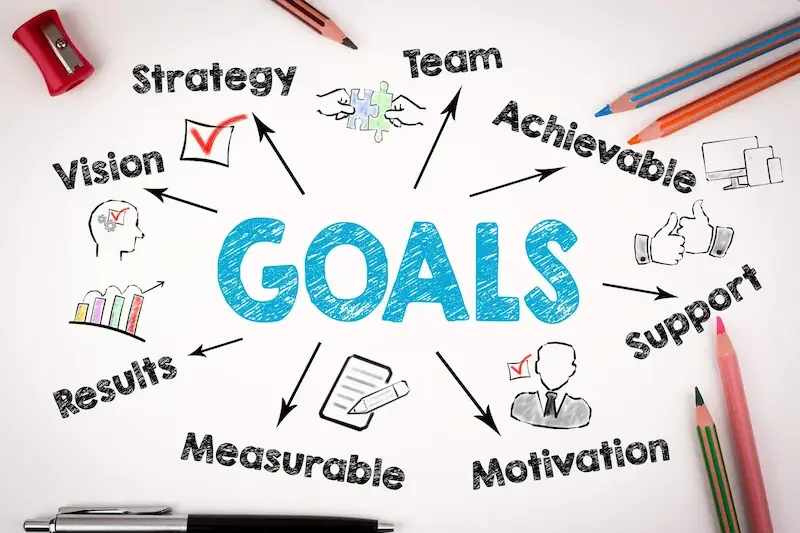
After identifying the skills you want to improve, the next important step is setting clear and achievable goals. Goals provide direction and help you stay focused during the learning process. When you have specific goals, it becomes easier to plan your learning activities and measure your progress. personal skill building strategies
Why Goal Setting Is Important
Goal setting helps organize your skill-building journey. Without clear goals, you may feel confused about what to learn or how to improve. Goals act as a guide that keeps you motivated and helps you stay committed to developing your skills. For example, instead of saying “I want to improve my writing,” a better goal would be “I will write for 20 minutes every day to improve my writing skills.” Clear goals make the learning process more structured and manageable. personal skill building strategies
Use the SMART Goal Method
A helpful way to create effective goals is by using the SMART method. This approach ensures that your goals are clear and realistic.
- Specific – Clearly define what you want to achieve
- Measurable – Make sure your progress can be tracked
- Achievable – Set goals that are realistic for your current ability
- Relevant – Choose goals that support your personal development
- Time-bound – Set a deadline to complete your goal personal skill building strategies
For example, a SMART goal could be: “I will practice public speaking for 15 minutes every day for the next four weeks.”
Break Large Goals into Smaller Tasks
Sometimes large goals can feel overwhelming. Breaking them into smaller tasks makes them easier to achieve. For instance, if your goal is to improve communication skills, you might start by reading articles about communication, practicing conversations, and gradually participating in group discussions. Small steps help you stay motivated and see progress more clearly. personal skill building strategies
Create Short-Term and Long-Term Goals
It is helpful to set both short-term and long-term goals. Short-term goals focus on immediate progress, such as practicing a skill daily or completing a small task. Long-term goals focus on bigger achievements, like mastering a skill over several months. Combining both types of goals helps maintain motivation and keeps your learning journey organized. personal skill building strategies
Review and Adjust Your Goals
As you continue learning, it is important to review your goals regularly. If a goal feels too difficult, you can adjust it or divide it into smaller steps. If you achieve your goals quickly, you can challenge yourself with more advanced targets. Adjusting goals helps you stay flexible and continue improving.
Setting clear and achievable goals provides structure and motivation for personal skill building. With well-defined goals, your learning process becomes more focused, productive, and rewarding. personal skill building strategies
Stay Committed to Your Goals
Setting goals is important, but staying committed to them is equally essential. Many people start learning new skills with excitement, but they lose motivation after some time. To achieve real progress, you need to stay dedicated and remind yourself why you set those goals in the first place. Keeping your goals visible, such as writing them in a notebook or placing them where you can see them daily, can help you stay focused and motivated. personal skill building strategies
Track Your Progress Regularly
Tracking your progress helps you understand how much you have improved and what areas still need attention. When you see your progress, it increases confidence and encourages you to continue learning. You can track progress by maintaining a journal, creating a checklist of completed tasks, or using simple productivity apps. Regular progress tracking also helps you adjust your learning strategies if necessary. personal skill building strategies
Reward Yourself for Achievements
Celebrating small achievements can make the learning journey more enjoyable. When you reach a goal or complete an important milestone, reward yourself in a simple way. This could be taking a short break, enjoying a favorite activity, or sharing your achievement with friends or family. Rewards create positive motivation and encourage you to keep working toward your next goal.
Stay Flexible with Your Goals
Sometimes your goals may need adjustments as you gain more knowledge and experience. If you find that a goal is too difficult, you can divide it into smaller steps. If a goal becomes too easy, you can challenge yourself with a more advanced objective. Being flexible ensures that your goals continue to support your personal growth and skill development. personal skill building strategies
Develop a Positive Mindset
A positive mindset plays a major role in achieving your goals. Learning new skills can sometimes be challenging, but believing in your ability to improve helps you stay motivated. Instead of focusing on mistakes, treat them as learning opportunities. With patience, persistence, and a positive attitude, you can achieve your skill-building goals more effectively. personal skill building strategies
Practice and Apply Your Skills
Learning a new skill becomes truly effective when you practice it regularly and apply it in real-life situations. Practice helps you strengthen your understanding, improve your abilities, and gain confidence. Without practice, even the best knowledge may not turn into a useful skill. personal skill building strategies
Why Regular Practice Is Important
Regular practice allows you to turn knowledge into action. When you repeat a task or activity many times, your brain becomes more familiar with the process, and the skill becomes easier to perform. Consistent practice also helps you identify mistakes and learn how to improve over time. personal skill building strategies
For example, if you want to improve your communication skills, practicing conversations, presentations, or discussions will help you become more confident and effective. The more you practice, the more comfortable you become with the skill. personal skill building strategies
Apply Skills in Real-Life Situations
Applying your skills in real situations is one of the best ways to improve. Real-life experiences help you understand how to use your skills effectively and adapt to different challenges.
For instance, if you are learning time management, you can start organizing your daily tasks using a schedule or to-do list. If you are improving problem-solving skills, you can practice analyzing challenges at work or in everyday life and finding practical solutions. personal skill building strategies
Using your skills in real situations helps you learn faster and build confidence.
Learn from Mistakes
Mistakes are a natural part of the learning process. Instead of feeling discouraged, treat mistakes as opportunities to improve. Each mistake teaches you something valuable about how to perform the skill better. personal skill building strategies
When you review what went wrong and try again, you gradually become more skilled and experienced. Successful learners understand that mistakes are simply steps toward improvement. personal skill building strategies
Practice with Small Challenges
Starting with small challenges can make skill development easier and less stressful. Simple tasks allow you to build confidence and develop a strong foundation before moving on to more complex activities.
For example, if you are developing writing skills, you can start by writing short paragraphs before attempting longer articles. As your confidence grows, you can gradually take on more difficult tasks. personal skill building strategies
Stay Consistent with Practice
Consistency is the key to mastering any skill. Even practicing for a short time each day can lead to significant improvement over time. Developing a habit of daily practice ensures steady progress and helps you maintain motivation throughout your learning journey. personal skill building strategies
By practicing regularly and applying your skills in real-life situations, you transform knowledge into practical abilities. Over time, this consistent effort leads to strong personal development and greater confidence in your skills.
Practice in Different Situations
Practicing your skills in different situations can help you become more flexible and confident. When you apply a skill in various environments, you learn how to adjust and respond to different challenges. For example, communication skills can be practiced during group discussions, meetings, or casual conversations with friends and colleagues. Experiencing different situations helps you understand how to use your skills effectively. personal skill building strategies
Seek Feedback from Others
Getting feedback from others is an excellent way to improve your skills. Friends, mentors, teachers, or colleagues can provide helpful suggestions about what you are doing well and what areas need improvement. Constructive feedback allows you to see your strengths and weaknesses more clearly. By listening to advice and making improvements, you can develop your skills faster.
Learn by Teaching Others
One effective way to strengthen your skills is by teaching or explaining them to others. When you share knowledge, you deepen your own understanding of the topic. Teaching also helps you organize your thoughts and identify any gaps in your knowledge. Even simple explanations to a friend or colleague can reinforce what you have learned. personal skill building strategies
Build Confidence Through Repetition
Repeating a skill regularly helps you become more comfortable and confident. At first, learning something new may feel difficult, but repeated practice gradually improves your performance. Over time, tasks that once seemed challenging become easier and more natural. Confidence grows when you see your own improvement. personal skill building strategies
Turn Practice into a Daily Habit
Making practice a daily habit ensures continuous progress. Instead of practicing occasionally, try to include skill-building activities in your everyday routine. Even small efforts, such as practicing for a few minutes each day, can lead to significant improvement over time. Consistent habits help you stay committed and make skill development a natural part of your life. personal skill building strategies
What are personal skill building strategies?
Personal skill building strategies are methods and approaches that help individuals improve their abilities and develop new skills. These strategies include setting clear goals, practicing regularly, learning from different resources, and applying skills in real-life situations to achieve continuous personal growth.
Why is personal skill building important?
Personal skill building is important because it helps individuals improve their confidence, productivity, and problem-solving abilities. Developing personal skills also helps people adapt to new challenges, improve relationships, and achieve personal and professional goals.
How long does it take to develop a new skill?
The time required to develop a skill depends on the complexity of the skill and the amount of practice. With consistent effort and regular practice, beginners can start noticing improvement within a few weeks, while mastering a skill may take several months.
Conclusion
Personal skill building is an important step toward continuous self-improvement and long-term success. By developing useful skills, individuals can increase their confidence, improve their productivity, and handle challenges more effectively in both personal and professional life. Learning new abilities also helps people adapt to changes and take advantage of new opportunities.
The process of building personal skills becomes easier when you follow the right strategies. Identifying the skills you want to improve, setting clear and achievable goals, practicing regularly, and applying your knowledge in real-life situations are all essential steps in the learning journey. Tracking your progress and staying motivated can also help you maintain consistency and continue improving over time.
Remember that skill development is a gradual process that requires patience and dedication. Small efforts made every day can lead to meaningful improvements in the long run. By staying committed to learning and practicing new skills, you can build strong abilities that support your personal growth and future success.


