


In today’s fast-paced job market, continuously improving your skills is essential for career growth. Employers are looking for professionals who not only perform well in their current roles but also have the ability to adapt, learn new skills, and take on bigger responsibilities. Skill building allows you to stay competitive, increase your value at work, and open doors to promotions, new roles, or even career changes. skill building for career growth
Whether you want to advance in your current job, switch careers, or explore new professional opportunities, focusing on the right skills can make a significant difference. This guide will walk you through practical steps to identify valuable skills, set achievable goals, learn effectively, and apply your knowledge so that you can grow your career confidently and strategically.
Identify Skills That Boost Your Career
The first step in building your career is identifying the skills that will have the greatest impact on your growth. Focusing on the right skills ensures that your efforts are meaningful, practical, and aligned with your long-term goals. Learning randomly without a clear purpose can waste time and slow your progress, so taking the time to identify the skills that truly matter is crucial. skill building for career growth
Technical Skills
Technical skills are the specialized abilities required to perform specific tasks in your job or industry. These skills make you more efficient and effective in your role and increase your marketability. Examples include:
- Software proficiency: Excel, PowerPoint, Photoshop, AutoCAD, Salesforce
- Coding and programming: Python, Java, SQL, HTML/CSS
- Industry-specific knowledge: Financial modeling for finance, lab techniques for healthcare, or SEO tools for marketing
Focusing on the technical skills that are most relevant to your current role or desired position ensures that your learning is practical and directly applicable. skill building for career growth
Soft Skills
Soft skills are equally important for career growth. They improve how you communicate, collaborate, and solve problems at work. High-demand soft skills include:
- Communication: Clear writing, presenting ideas, and active listening
- Leadership: Guiding teams, decision-making, and motivating others skill building for career growth
- Problem-solving: Identifying issues, analyzing options, and finding effective solutions
- Adaptability: Handling change, learning new processes, and adjusting to challenges
Soft skills are often what differentiate highly successful professionals from others because they complement technical expertise and allow you to excel in team-based and leadership roles. skill building for career growth
Emerging Skills
Emerging skills are those that are gaining importance due to industry trends, technology, or market changes. Learning these skills helps you stay ahead of the competition and prepares you for future opportunities. Examples include:
- Digital Marketing: SEO, social media marketing, content strategy
- Data Analysis: Understanding and interpreting data to make informed decisions
- Artificial Intelligence & Machine Learning: Basic programming and model understanding
- UX/UI Design: Improving user experience for websites and apps skill building for career growth
- Project Management Tools: Agile, Scrum, Trello, Asana
Acquiring emerging skills positions you as forward-thinking and adaptable, which is highly attractive to employers.
How to Identify the Right Skills for You
- Analyze Your Career Goals: Think about where you want to be in 1–5 years and which skills will help you get there.
- Research Job Postings: Look at the most common skills required in roles you aspire to, both technical and soft skills.
- Ask Mentors and Colleagues: Experienced professionals can provide insights into skills that are truly valuable in your industry. skill building for career growth
- Follow Industry Trends: Read reports, blogs, and news to identify skills that are growing in demand and will remain relevant in the future.
- Evaluate Your Current Skill Gaps: Identify areas where improvement is needed to meet career goals.
By carefully selecting a mix of technical, soft, and emerging skills, you can build a targeted learning plan that maximizes your chances for career growth. This strategic approach ensures that the time and effort you invest in skill building pay off with promotions, new opportunities, and long-term professional success. skill building for career growth
you may also like to read these posts;
Mind Development Exercises: 10 Daily Habits to Boost Brain Power
Daily Mind Development Habits: Simple Steps to Boost Your Brain Every Day
Mind Development for Success: Boost Focus & Achieve Goals
Personal Mind Development Tips to Boost Focus & Clarity
Mind Development for Focus: Boost Attention Fast
Set Clear Career Goals and Learning Objectives
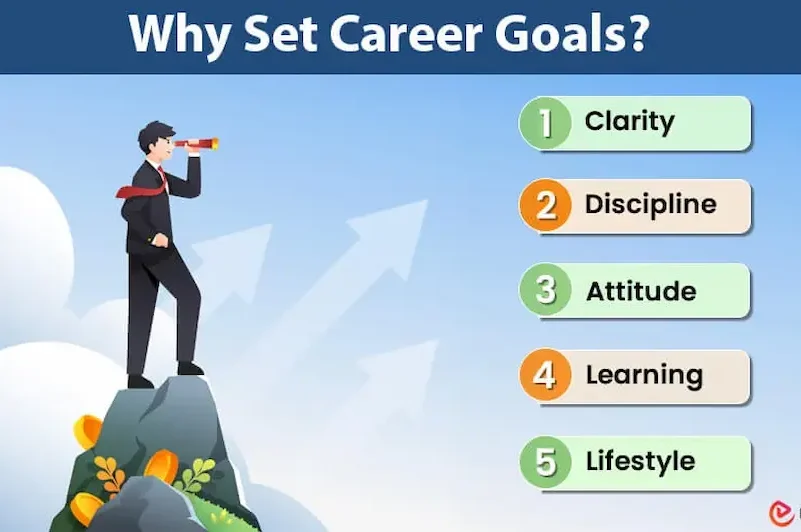
Once you’ve identified the skills that will boost your career, the next step is to set clear and realistic goals. Goals give your learning process structure, help you stay focused, and ensure that your efforts lead to meaningful career growth. Without clear objectives, it’s easy to get distracted or feel unsure about what to learn next. skill building for career growth
Why Goal Setting Matters
Setting career-focused goals helps you organize your learning and track your progress. Goals act as a roadmap, guiding you step by step toward mastering your skills and advancing in your career. For example, instead of a vague goal like “I want to improve my Excel skills,” a more specific goal would be “I will complete an advanced Excel course in 4 weeks and create a financial model by the end of the month.” Specific goals give your learning a clear purpose and make it easier to measure progress. skill building for career growth
Use the SMART Goal Method
The SMART method is an effective way to create actionable and achievable career goals:
- Specific: Define exactly what skill or outcome you want to achieve
- Measurable: Ensure your progress can be tracked
- Achievable: Set goals that are realistic for your current skill level
- Relevant: Align your goals with your career objectives
- Time-bound: Set a deadline to complete the goal skill building for career growth
Example SMART Goal: “I will practice coding in Python for 30 minutes every day and complete a small project within six weeks.”
Break Big Goals Into Smaller Tasks
Large goals can feel overwhelming, especially for beginners. Breaking them into smaller, manageable tasks makes learning more achievable. For example, if your goal is to improve your public speaking:
- Week 1: Learn basic presentation techniques
- Week 2: Practice speaking in front of a mirror skill building for career growth
- Week 3: Record yourself and review areas to improve
- Week 4: Present to a small group for feedback skill building for career growth
Completing these smaller tasks regularly helps build confidence and ensures steady progress toward your main goal.
Short-Term and Long-Term Goals
Setting both short-term and long-term goals keeps you motivated and focused.
- Short-term goals: Daily or weekly tasks that provide immediate results, such as completing a lesson or practicing a skill for 20 minutes each day skill building for career growth
- Long-term goals: Larger milestones that take months to achieve, such as earning a certification, completing a portfolio, or leading a project at work skill building for career growth
Balancing short-term wins with long-term objectives ensures your career growth is structured and sustainable.
Track Your Progress and Adjust Goals
Track your learning with journals, checklists, or apps to monitor milestones and achievements. Regularly review your goals to see if adjustments are needed. If a goal is too difficult, break it down further. If it’s too easy, challenge yourself with a higher-level task. Tracking progress ensures continuous improvement and keeps you motivated. skill building for career growth
Tips for Beginners
- Be realistic and patient; skill building takes time
- Celebrate small achievements to maintain motivation
- Adjust goals as your skills improve and career needs evolve
- Combine learning with practice to make your goals actionable
Clear career goals guide your learning, focus your efforts, and help you achieve meaningful skill development that directly contributes to professional growth. skill building for career growth
Use Reliable Learning Resources
Once you know which skills to develop and have set clear career goals, the next step is to use reliable learning resources. High-quality resources make learning faster, easier, and more effective, while poor-quality materials can waste time or cause confusion. Choosing the right sources ensures you build your skills correctly and efficiently.
Online Learning Platforms
There are many online platforms that offer structured courses for beginners and advanced learners alike. Some popular options include:
- Coursera: Offers courses from top universities with certifications that can enhance your resume
- Udemy: Affordable courses on a wide variety of skills, often with lifetime access skill building for career growth
- LinkedIn Learning: Professional-focused courses that include industry insights and skill assessments
- Skillshare: Project-based learning ideal for creative skills like design, writing, or photography
- Khan Academy: Free courses for academic and technical skills suitable for beginners
Books and eBooks
Books remain a reliable way to gain in-depth knowledge. Look for highly rated books in your field or on your chosen skill. eBooks are also convenient for learning on the go, and many come with exercises or case studies to reinforce concepts. skill building for career growth
Webinars, Workshops, and Online Communities
Participating in webinars and workshops helps you learn from experts and gain practical insights. Joining online communities, forums, or professional groups allows you to ask questions, get feedback, and network with like-minded learners. Communities often provide advice, challenges, and tips that can accelerate skill development.
Mentors and Coaches
Learning from experienced mentors or career coaches can guide you in the right direction, help you avoid common mistakes, and give personalized advice based on your career goals. Even a few sessions can provide valuable guidance and motivation. skill building for career growth
Tips for Choosing the Right Resources
- Select resources that match your learning style: visual (videos), reading (books/articles), or hands-on (projects/exercises)
- Check reviews and ratings to ensure quality
- Use a mix of resources to reinforce learning and keep it engaging
- Focus on practical exercises, real-world applications, and projects to build tangible skills skill building for career growth
Using reliable resources ensures that your learning is effective, structured, and aligned with your career goals, giving you the confidence to apply your skills in real-world situations.
Practice and Apply Skills Regularly
Learning a skill is only half the battle; consistent practice and application are what turn knowledge into real career growth. Practicing regularly helps you retain information, gain confidence, and improve faster than simply reading or watching tutorials. Even small, daily efforts are more effective than occasional long sessions. skill building for career growth
Why Practice Matters
Practice reinforces what you learn and helps you apply it in real situations. For example, if you are learning Excel, creating spreadsheets for actual work tasks or practice projects will make your learning more practical. Consistent application ensures that your skills are usable, not just theoretical. skill building for career growth
Create a Practice Schedule
Set aside dedicated time for learning and practicing your skills every day or several times a week. Even 20–30 minutes of focused practice daily can lead to noticeable improvement over time. Use a calendar, reminders, or habit-tracking apps to maintain consistency and make practice a routine part of your career development. skill building for career growth
Set Small Practice Goals
Breaking your practice into smaller, achievable tasks prevents overwhelm and allows you to measure progress. For example, if learning writing skills:
- Day 1–3: Write short paragraphs on a topic of interest
- Day 4–7: Draft a one-page article
- Week 2: Review, edit, and improve your writing based on feedback
For technical skills, try small projects that progressively increase in difficulty. These small wins boost confidence and motivate continued learning. skill building for career growth
Apply Skills in Real Situations
To make learning meaningful, apply your skills immediately in real-life scenarios. If you’re learning digital marketing, run a small social media campaign for a personal project or volunteer organization. If learning coding, build a small web app or automate a task at work. Applying skills in real scenarios helps you retain knowledge, gain experience, and demonstrate your abilities to employers. skill building for career growth
Track Your Progress
Keep a journal, checklist, or use apps to record your daily practice and milestones. Regularly reviewing your progress helps identify strengths, weaknesses, and areas that need improvement. Tracking also keeps you motivated as you see tangible results from your efforts. skill building for career growth
Tips for Beginners
- Focus on consistency over perfection; even small daily efforts count
- Celebrate small achievements to stay motivated
- Gradually increase the complexity of projects as your skills improve
- Combine learning and practice to ensure knowledge turns into usable career skills
Regular practice and practical application are key to turning online learning into career-ready skills, giving you confidence and measurable growth in your professional journey. skill building for career growth
Track Progress and Adjust Your Plan
Tracking your progress is essential for effective skill building and career growth. Without monitoring your efforts, it’s easy to lose focus, miss gaps in your learning, or feel like you aren’t improving. Keeping track ensures that your time and effort translate into real, measurable growth. skill building for career growth
Why Tracking Matters
Tracking helps you see how far you’ve come, which motivates you to keep going. It also highlights areas where you need improvement so you can adjust your approach. For example, if you notice that your coding exercises are consistently taking longer than expected, it may indicate a need to revisit foundational concepts or seek additional resources.
Methods to Track Your Progress
- Journals or Notebooks: Write down what you learn and practice each day, along with notes on challenges and successes
- Checklists: Break your goals into smaller tasks and mark them complete as you progress
- Apps and Tools: Habit trackers, Trello, Notion, or spreadsheets can help you visualize your progress over time
- Milestone Reviews: Set weekly or monthly reviews to assess improvements, celebrate achievements, and adjust goals
Adjusting Your Learning Plan
Regularly reviewing your progress allows you to tweak your learning strategy. If a goal feels too difficult, break it down into smaller steps or spend more time on foundational skills. If a goal becomes too easy, challenge yourself with advanced tasks or more complex projects. Flexibility ensures that your skill-building journey remains effective and motivating.
Tips for Beginners
- Set clear metrics to measure progress, such as completing a course module, finishing a project, or applying a skill at work
- Don’t get discouraged by setbacks; use them to identify what needs improvement
- Adjust timelines and methods as needed to fit your learning pace
- Combine tracking with reflection to understand not just what you’ve done, but how well you’ve learned it
Tracking progress and adjusting your plan makes your career skill-building structured, efficient, and aligned with your professional growth goals. It transforms scattered learning into a focused, results-driven journey.
Which skills are most important for career growth?
The most valuable skills depend on your industry and role, but generally, a combination of technical skills, soft skills, and emerging skills is essential. Technical skills help you perform job tasks efficiently, soft skills improve teamwork and leadership, and emerging skills prepare you for future opportunities.
Can I learn career skills online for free?
Yes, many platforms offer free courses, tutorials, and resources. Websites like YouTube, Khan Academy, Coursera (free courses), and LinkedIn Learning (with free trials) provide beginner-friendly ways to start learning without spending money.
How long does it take to see results from skill building?
The timeline varies depending on the skill’s complexity, your current experience, and how consistently you practice. Beginners can notice improvement in a few weeks with regular daily practice, while mastery typically takes months of consistent effort.
Conclusion
Skill building is a strategic investment in your career that can open doors to promotions, new opportunities, and long-term professional growth. By identifying the right skills, setting clear and realistic goals, using reliable learning resources, practicing regularly, tracking your progress, and applying your skills in real situations, you can steadily improve and position yourself for success.
Remember, career growth is a journey, not a race. Be patient with yourself, celebrate small wins, and adjust your learning plan as needed. Combining dedication, consistent practice, and practical application ensures that your efforts translate into real skills that employers value. Start today, focus on one skill at a time, and track your progress. Over time, your commitment to learning will pay off with increased confidence, expanded opportunities, and lasting career growth.


